


3 Best Gynecologist Obstetrician in Kamla Nagar, Delhi
Book appointments quickly with verified doctors.

Gynecologist Obstetrician , Infertility Specialist
MBBS, FRM, DNB, FOGSI, DGO
14 Yrs Exp.
₹1600Kamla Nagar, Delhi 110007
Get DirectionsRidge IvfKamla Nagar, Delhi₹1600Tue Jun 30 28 slotsToday Jul 01 28 slotsThu Jul 02 28 slotsFri Jul 03 28 slotsSat Jul 04 28 slotsSun Jul 05 0 slotsMon Jul 06 28 slotsTue Jul 07 28 slotsWed Jul 08 28 slotsThu Jul 09 28 slotsFri Jul 10 28 slotsSat Jul 11 28 slotsSun Jul 12 0 slotsMon Jul 13 28 slots
Gynecologist Obstetrician , Infertility Specialist
MBBS, MS, DNB, FNB, MRCOG
12 Yrs Exp.
₹1600Kamla Nagar, Delhi 110007
Get DirectionsRidge IvfKamla Nagar, Delhi₹1600Tue Jun 30 28 slotsToday Jul 01 28 slotsThu Jul 02 28 slotsFri Jul 03 28 slotsSat Jul 04 28 slotsSun Jul 05 0 slotsMon Jul 06 28 slotsTue Jul 07 28 slotsWed Jul 08 28 slotsThu Jul 09 28 slotsFri Jul 10 28 slotsSat Jul 11 28 slotsSun Jul 12 0 slotsMon Jul 13 28 slots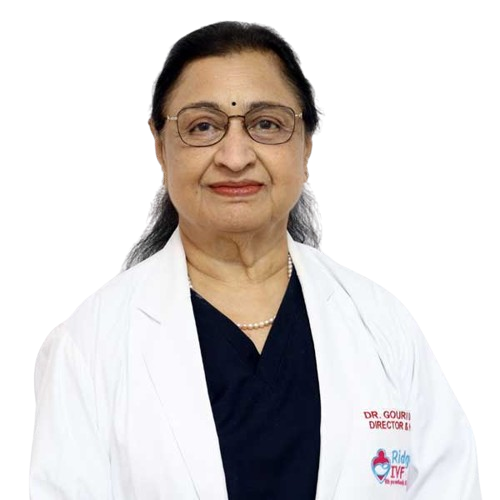
Gynecologist Obstetrician , Infertility Specialist
MBBS
54 Yrs Exp.
₹1600Kamla Nagar, Delhi 110007
Get DirectionsRidge IvfKamla Nagar, Delhi₹1600Tue Jun 30 20 slotsToday Jul 01 28 slotsThu Jul 02 28 slotsFri Jul 03 20 slotsSat Jul 04 28 slotsSun Jul 05 0 slotsMon Jul 06 28 slotsTue Jul 07 20 slotsWed Jul 08 28 slotsThu Jul 09 28 slotsFri Jul 10 20 slotsSat Jul 11 28 slotsSun Jul 12 0 slotsMon Jul 13 28 slots

About Gynecologist Obstetrician
There's a particular kind of medical delay that happens disproportionately to women in India. Symptoms get normalised. Pain gets accepted. Appointments get postponed. Heavy periods, pelvic pressure, irregular cycles — these get attributed to stress, diet, or simply the way things are.
Gynaecology covers the medical care of the female reproductive system: the uterus, fallopian tubes, ovaries, cervix, and vagina. Many Indian gynaecologists are also trained obstetricians — managing pregnancy, labour, and delivery as part of their practice. This combined role makes them central to women's healthcare across the reproductive years.
But gynaecology extends well beyond pregnancy. Hormonal health changes from the first period through perimenopause and beyond — and each stage deserves proper attention. The best gynaecologist you find isn't only the one who delivers your baby. It's the doctor who knows your history, understands your hormones, and can tell when something that sounds minor actually isn't.
The cultural hesitancy many Indian women feel about gynaecological consultations is real, but it carries a cost. Endometriosis, for instance, takes an average of 7–10 years to diagnose in India — partly because pelvic pain is normalised, and partly because women don't reach a specialist who can recognise the pattern. Those are years of unnecessary pain, and sometimes, years of fertility damage that could have been prevented.
Who Should Consult a Gynecologist Obstetrician?
You should consider booking an appointment with a Gynecologist Obstetrician if any of the following apply to you:
Adolescent girls experiencing painful, very heavy, or highly irregular periods
Women trying to conceive for more than 6–12 months without success
Anyone with a diagnosis or suspicion of PCOS, endometriosis, or fibroids
Pregnant women for antenatal (prenatal) care
Women due for routine cervical cancer screening (Pap smear)
Those experiencing pelvic pain, pressure, or unusual vaginal discharge
Women approaching perimenopause or menopause with troublesome symptoms
Anyone considering contraception or family planning advice
Doctor Qualification & Certifications
A trustworthy Gynecologist Obstetrician in India typically holds the following qualifications. Verifying these before your first appointment gives you confidence that you're in capable hands:
MBBS from an NMC/MCI-recognised college
MS or MD in Obstetrics & Gynaecology (3 years post-graduation)
DNB (Diplomate of National Board) in OB-GYN is equally recognised
Fellowship in Reproductive Medicine, Laparoscopic Surgery, or Maternal-Fetal Medicine for sub-specialists
Registration with the State Medical Council and MCI/NMC
When searching for a Best Gynecologist Obstetrician in Delhi, prioritise clinicians who are transparent about their credentials and registered with the relevant national or state medical body.
Conditions Treated by a Gynecologist Obstetrician
A Gynecologist Obstetrician manages a wide range of conditions. The following are among the most commonly seen in clinical practice:
Polycystic Ovary Syndrome (PCOS)
A hormonal disorder characterised by irregular periods, cysts on the ovaries, and elevated androgen levels — affecting 1 in 5 Indian women of reproductive age.
Endometriosis
Tissue similar to the uterine lining grows outside the uterus, causing severe pelvic pain, heavy periods, and fertility challenges.
Uterine Fibroids
Non-cancerous growths in the uterus that can cause heavy periods, pelvic pressure, and pregnancy complications.
Ovarian Cysts
Fluid-filled sacs on or within the ovaries — most are benign but some require monitoring or surgical removal.
Pelvic Inflammatory Disease (PID)
Infection of the reproductive organs that can damage the fallopian tubes and affect fertility if not treated promptly.
Cervical / Uterine Cancer
Gynaecologists screen for and manage reproductive cancers, often detecting them early through routine Pap smears and HPV testing.
Symptoms That Require Consultation with a Gynecologist Obstetrician
Many patients wait too long before seeking help. If you experience any of the following, scheduling a consultation sooner rather than later is the right call:
Periods that are very heavy, very painful, or last longer than 7 days
Cycles shorter than 21 days or longer than 35 days
Bleeding between periods or after intercourse
Pelvic pain or pressure that's persistent or worsening
Difficulty conceiving after 12 months of regular, unprotected intercourse
Unusual vaginal discharge — especially if it has odour or a different colour
Severe mood swings, hot flashes, or night sweats (hormonal changes)
Urinary leakage, frequency, or pain during urination
Symptoms that are intermittent, mild, or that you've "had for years" can still be significant. A Gynecologist Obstetrician can tell you what's worth investigating and what isn't — but only if you give them the chance.
Diagnosis & Tests
When you visit a Gynecologist Obstetrician, they'll begin with a thorough history and physical examination. Depending on what they find, they may recommend one or more of the following diagnostic tests:
Pap Smear (Cervical Cytology)
Cells scraped from the cervix are examined to detect precancerous changes. Recommended every 3 years from age 21, or combined with HPV testing every 5 years.
Pelvic Ultrasound
Sound waves create images of the uterus and ovaries. The most common first test when PCOS, fibroids, or cysts are suspected.
Transvaginal Ultrasound (TVS)
A probe placed gently inside the vagina gives clearer images of the uterus, ovaries, and endometrial lining.
Hormone Panel (FSH, LH, AMH, TSH, Prolactin)
Blood tests to evaluate hormonal balance and ovarian reserve — essential when investigating PCOS or fertility concerns.
Colposcopy
A magnified examination of the cervix following an abnormal Pap smear — helps decide whether a biopsy is needed.
Hysteroscopy
A thin, lighted scope is inserted through the cervix to directly view the inside of the uterus.
Treatment & Procedures
Treatment plans are always individualised. A Gynecologist Obstetrician will discuss options with you, explain the expected outcomes, and involve you in every decision. Common interventions include:
Laparoscopic Surgery: Keyhole surgery used to treat endometriosis, remove ovarian cysts, unblock fallopian tubes, and manage ectopic pregnancies — usually with a recovery of just a few days.
Hysteroscopic Procedures: Removing uterine polyps, fibroids inside the uterine cavity, or correcting intrauterine adhesions through a thin camera — no abdominal cuts needed.
Hormonal Therapy: Oral contraceptive pills, progesterone therapy, or GnRH agonists prescribed to regulate cycles, shrink fibroids, and manage endometriosis.
Intrauterine Device (IUD) Insertion: A long-acting contraceptive device placed inside the uterus. Hormonal IUDs also significantly reduce heavy menstrual bleeding.
Myomectomy: Surgical removal of uterine fibroids while preserving the uterus and fertility.
Hysterectomy: Surgical removal of the uterus — performed for cancer, severe fibroids, or chronic pelvic pain that hasn't responded to conservative treatment.
Benefits of Early Consultation
In medicine, timing matters. Here's what early consultation with a Gynecologist Obstetrician can mean for you:
PCOS managed early reduces long-term risks of diabetes and cardiovascular disease
Routine Pap smears can detect cervical cancer at a pre-cancerous stage — when cure rates approach 100%
Addressing endometriosis early may protect fertility before significant adhesion damage occurs
Early treatment of fibroids avoids the need for hysterectomy in many cases
Getting menstrual disorders evaluated prevents years of unnecessary pain and anaemia from blood loss
If you're looking for a Best Gynecologist Obstetrician in Delhi in Delhi, Delhi, early action is always the better strategy. The conditions most people deal with are more manageable — and often more treatable — when addressed promptly.
When to Seek Immediate Medical Attention
Certain symptoms should never be managed at home or waited out. Go to the nearest emergency room or call for help immediately if you experience:
Sudden, severe one-sided pelvic pain (possible ectopic pregnancy or ovarian torsion — emergency)
Very heavy vaginal bleeding soaking more than a pad an hour for 2+ hours
Fever with pelvic pain and unusual discharge (possible PID or abscess)
Complete absence of periods with a positive pregnancy test and severe pain
Sudden, sharp lower abdominal pain in late pregnancy
These are not situations for a scheduled appointment. Act immediately.
Frequently Asked Questions
Q1: At what age should a girl first see a gynaecologist?
The first visit is typically recommended around age 13–15, or within 3 years of a girl's first period — even without any problems. The first visit usually involves a conversation about menstrual health, nutrition, and general development, not an internal examination. It's about building comfort and awareness, not just treating illness.
Q2: Is a Pap smear painful?
For most women, a Pap smear is uncomfortable for a few seconds rather than painful. The doctor inserts a speculum briefly, collects cells with a soft brush, and the procedure is over in under 2 minutes. Relaxing your muscles and breathing slowly makes a real difference. If you experience significant pain, let your doctor know immediately.
Q3: Can PCOS be cured permanently?
PCOS cannot be cured, but it can be very well-managed. With the right combination of lifestyle changes (especially regular exercise and a balanced diet), medication where needed, and regular monitoring, most women with PCOS live completely normal lives — including successful pregnancies.
Q4: Is it normal to have pain during periods?
Mild cramping is common and normal. But pain severe enough to keep you in bed, cause vomiting, or require strong painkillers is not something to accept as normal. This level of pain could indicate endometriosis, adenomyosis, or another treatable condition. Please don't suffer through it — a gynaecologist can help.
Q5: How often should I see a gynaecologist if I have no symptoms?
Annual check-ups are recommended for most sexually active women or women over 21. This includes a pelvic examination, Pap smear as per guidelines, blood pressure check, and a conversation about any changes in your cycle or general health. Preventive care catches problems before they become crises.
Q6: How much does a Gynecologist Obstetrician consultation cost in Delhi?
Consultation fees in Delhi generally range from ₹500 to ₹2,500 at clinics, and ₹1,500 to ₹4,000 at corporate hospitals or for senior consultants. Many hospitals accept CGHS, ESIC, and major health insurance policies. Through NectarPlus Health, you can check exact fees before booking — no surprises.
Q7: Can I book a Gynecologist Obstetrician appointment online through NectarPlus Health?
Yes. NectarPlus Health allows you to browse verified Gynecologist Obstetrician profiles in Delhi and across Delhi, compare qualifications and consultation fees, read patient reviews, and book appointments online instantly. Many clinics also offer video consultations for follow-ups.
Conclusion
Women's health is not a single chapter — it unfolds across decades, changing with puberty, childbearing years, and menopause. A trusted gynaecologist walks alongside you through all of it, not just in moments of crisis.
In India, where access to quality reproductive healthcare is increasingly improving but still varies significantly by region, finding a qualified, compassionate gynaecologist matters. NectarPlus Health helps you locate verified OB-GYNs in your city, read genuine patient reviews, and book appointments easily — so you get the care you deserve, without unnecessary barriers.

Best Doctor Specialities in Delhi
- Best General Physician in Delhi
- Best Dentist in Delhi
- Best Homeopath in Delhi
- Best Infertility Specialist in Delhi
- Best Orthopedist in Delhi
- Best Gynecologist Obstetrician in Delhi
- Best Dental Surgeon in Delhi
- Best Family Physician in Delhi
- Best Pediatrician in Delhi
- Best Orthopedic Surgeon in Delhi
- Best Ayurveda in Delhi
- Best Prosthodontist in Delhi
Best Doctors in Top Cities
- Best Doctors in Hyderabad
- Best Doctors in Delhi
- Best Doctors in Bengaluru
- Best Doctors in Pune
- Best Doctors in Chennai
- Best Doctors in Mumbai
- Best Doctors in Lucknow
- Best Doctors in Bangalore Urban
- Best Doctors in Ahmedabad
- Best Doctors in Nagpur
- Best Doctors in Jaipur
- Best Doctors in Kolkata
- Best Doctors in Surat
- Best Doctors in Thiruvananthapuram
- Best Doctors in Gurugram


